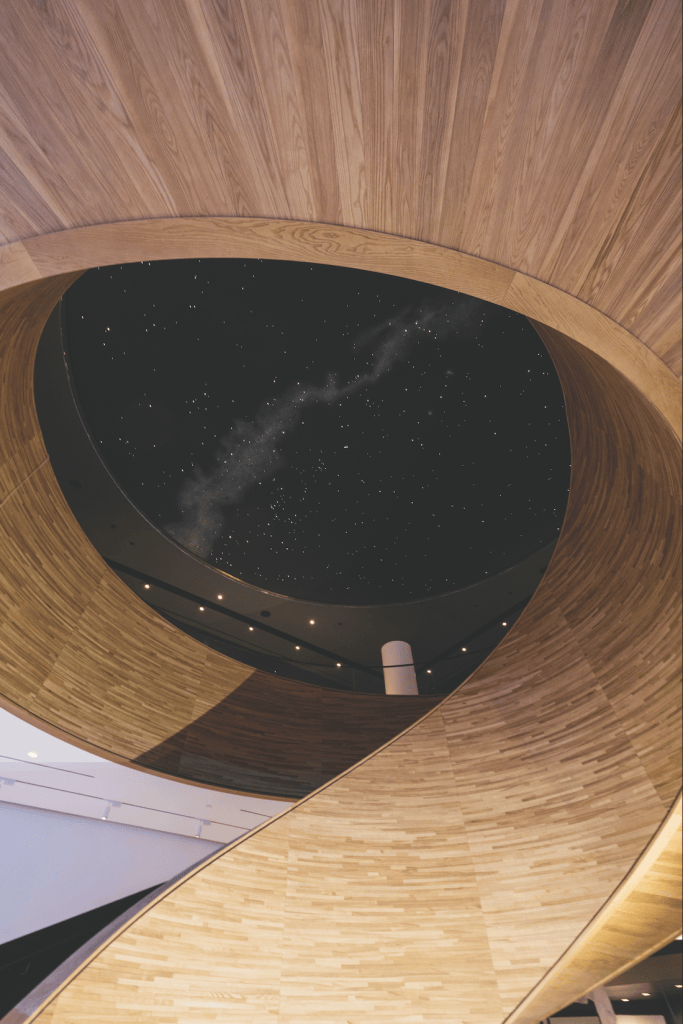
As a Founding Donor of the National Geographic Society’s renovated headquarters, Base Camp, Rolex celebrates a partnership that spans over seven decades.
Rolex has been an active supporter of trailblazing explorers since the 1930s. In 1953, the brand equipped the expedition in which Sir Edmund Hillary and Tenzing Norgay became the first people in history to summit the world’s highest peak, Mount Everest. The year after, the National Geographic Society ran a story on the historic expedition in their eponymous magazine, National Geographic, marking the start of a natural partnership between Rolex and the Society.
“National Geographic and Rolex have been partners for more than 70 years now. We share an underlying drive to explore and innovate,” says Ian Miller, Chief Science and Innovation Officer, National Geographic Society. Over the years, their shared spirit of discovery drew the two organizations together as they continued to support changemakers exploring new realms. In 2019, this partnership became a central pillar of the Rolex Perpetual Planet Initiative.
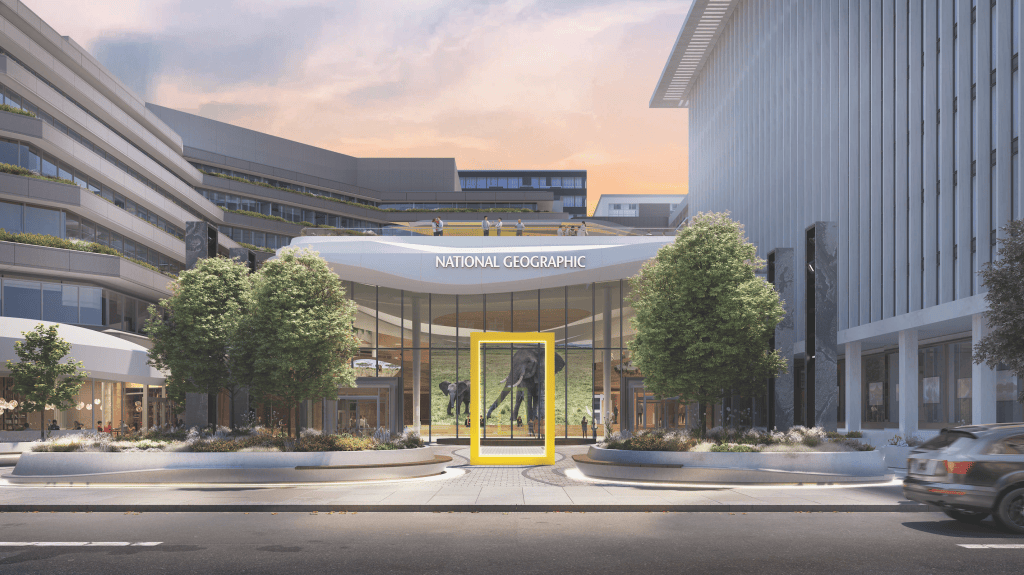
Rolex continues this relationship by supporting the transformation of the headquarters – National Geographic Base Camp – in Washington, D.C. The reimagined centre aims to attract and engage visitors of all backgrounds and ignite the explorer in everyone.
Fundamentally, Base Camp is a place for National Geographic Explorers to call home when they return from the field, where they can share what they have learned, connect with other Explorers and engage the wider public. The new campus will better equip this community as part of Rolex and the National Geographic Society’s joint commitment to exploring, protecting, and illuminating the wonders of our world.

Rolex is also proud to be the Grand Opening Partner of the Museum of Exploration, a brand-new public attraction at the revamped Base Camp. Using cutting-edge technology and powerful storytelling, the museum will showcase the work of National Geographic Explorers all over the planet. By inviting the public to engage in immersive, interactive and educational experiences and exhibitions, the museum will amplify the Explorers’ work and connect them to the Society’s mission like never before.
“There is something very powerful about creating a space where exploration becomes real for people,” says Arnaud Boetsch, Director Communication and Image, Rolex SA. “Through the revamped Base Camp, including the Rolex Explorers Landing, visitors will be able to see not only the achievements, but also the curiosity, commitment and long-term effort behind them. We are grateful to the National Geographic Society for its partnership and shared dedication to advancing exploration.”
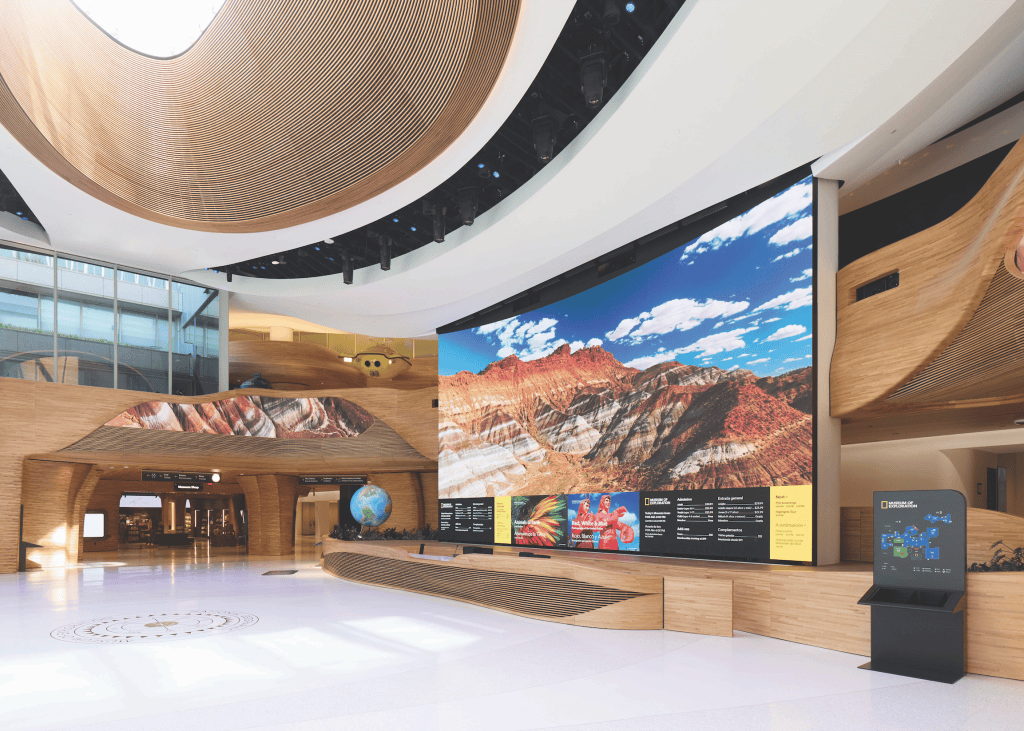
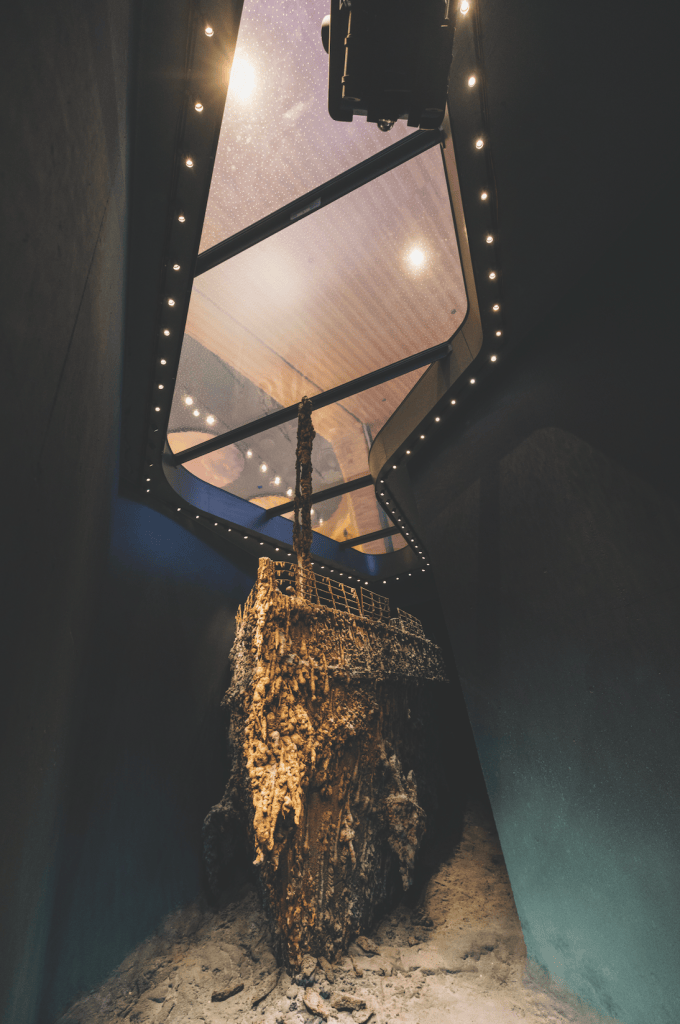
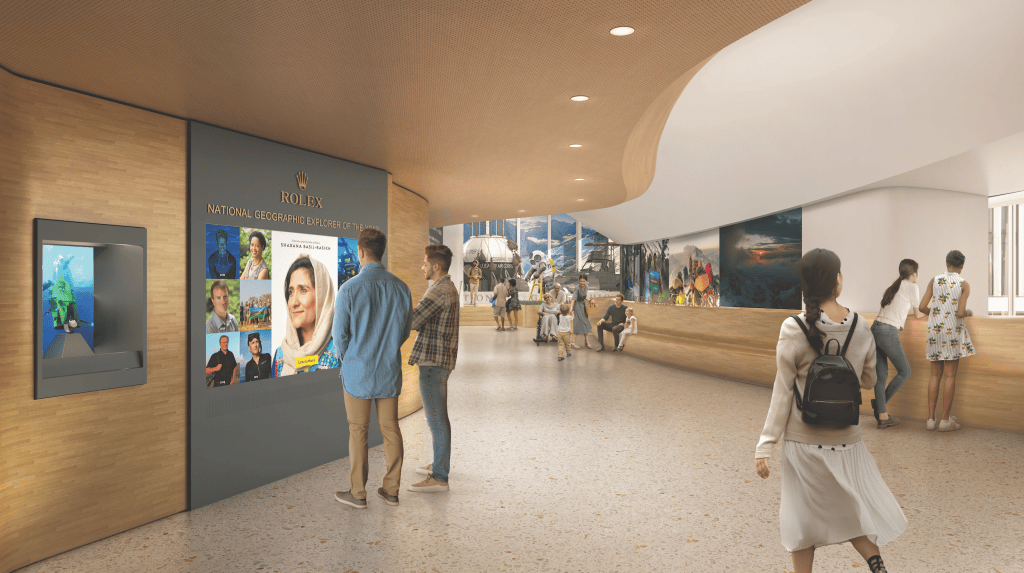
Guests of the museum will also be able to delve into the Rolex Explorers Landing, which celebrates impactful National Geographic Explorers, showcasing items from landmark expeditions, such as the pressurised diving suit that Rolex Testimonee Sylvia Earle wore when she completed the deepest ever untethered sea walk in 1979.
The Rolex Explorers Landing is divided into four areas – Spark, Trek, Purpose and Impact – that follow the journey of exploration, from the first spark of an idea to the impact their expeditions have on the world. It will also include the Perpetual Planet Expeditions Reader Rail, which will display information about the Rolex and National Geographic Perpetual Planet Expeditions and show the latest findings from the field in almost real time.
“In conservation, we cannot afford to only have one year of support. We need to build these projects over time. The Perpetual Planet Expeditions are National Geographic and Rolex coming together, and they’re fantastic because they’re projects that last three or four years,” says Fernando Trujillo, 2024 Rolex National Geographic Explorer of the Year, and Explorer on the Rolex and National Geographic Perpetual Planet Amazon Expedition.
Under the banner of Perpetual Planet Expeditions, National Geographic and Rolex are supporting a series of scientific research expeditions to document the impact of climate change on the Earth’s most fragile mountain, rainforest and ocean systems. From Everest and other high-altitude mountain systems, to the Amazon River Basin and now into the depths of the world’s oceans, these Expeditions have marked many significant firsts and milestones. By collaborating with local communities, the Explorers leading the expeditions are finding solutions to protect some of the Earth’s most vital systems.
Since 2011, Rolex and the National Geographic Society have come together every year to name and celebrate the Rolex National Geographic Explorer of the Year. The title is given to leaders in exploration who shine a critical light on important challenges facing our planet, inspiring action for a more sustainable future.
This year, the title was given to Krithi K. Karanth, already a 2019 Rolex Awards Laureate, who has dedicated her career to reducing wildlife-human conflict in India, launching a nationwide education programme that has reached over 50,000 children.
Rolex Awards Laureate, Indian conservationist Krithi K. Karanth has been named the 2026 Rolex National Geographic Explorer of the Year for her work as a conservation scientist and educator. She has dedicated her career to reducing wildlife-human conflict in India, launching multiple ambitious conservation programmes that impact 100 wildlife reserves.
The title of Rolex National Geographic Explorer of the Year is given to leaders in exploration who, through storytelling, shine a critical light on important issues, discoveries and challenges facing our planet, inspiring action for a more sustainable future.

KRITHI K. KARANTH
2026 ROLEX NATIONAL GEOGRAPHIC EXPLORER OF THE YEAR
Karanth launched Wild Seve in 2015, a conflict response system with a toll-free number for people to report incidents and receive support in filing for ex- gratia compensation from the government when they suffer losses. What began in just two wildlife reserves has since expanded to over 30 reserves across India.
Three years later, Karanth expanded the project by addressing the root of the problem: education. In 2018, she established Wild Shaale, an education programme for children who frequently come into contact with wildlife. The programme has grown and is now implemented in 1,626 rural schools, inspiring more than 72,000 children. Wild Shaale has reached 39 wildlife reserves in India.
In 2020, Karanth established Wild Surakshe, a programme working with community leaders, and forest and health workers to build awareness, foster partnerships, and safeguard lives and livelihoods. To date, the programme has conducted more than 1,300 workshops, engaging an estimated 50,000 participants as part of the effort to strengthen management of wildlife conflict and disease.
Karanth’s work is far-reaching. Her scientific research across India and Asia spans 28 years and encompasses a range of issues involving the wildlife-human interactions. She has mentored more than 300 young scientists from across the globe and engaged some 1,000 citizen science volunteers in her research and conservation efforts. Her projects have been featured in three award-winning BBC series. In time, Karanth hopes that her key programmes – Wild Seve, Wild Shaale and Wild Surakshe – will become worldwide models for conservation, demonstrating her groundbreaking work in protecting the planet for future generations.